

New Jersey election 2026: These 4 Democrats are competing to unseat Jeff Van Drew in Congress
The 2nd Congressional District is among South Jersey’s most closely watched races. Here’s what you need to know.
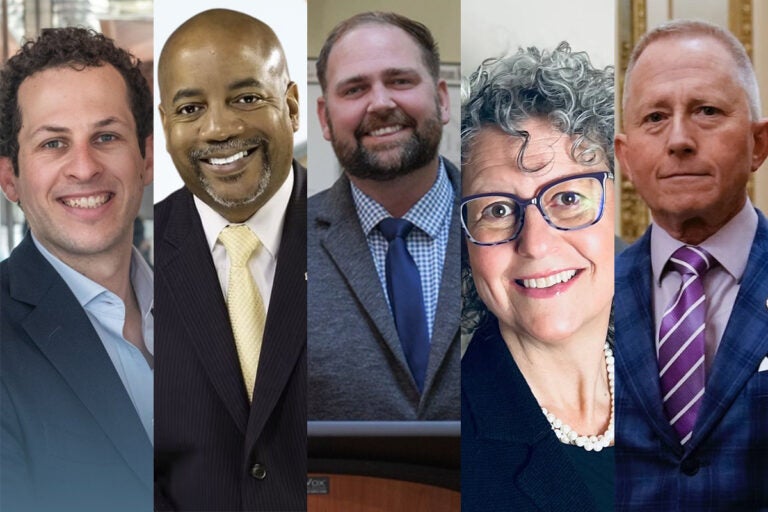
From left to right, NJ 2nd Congressional candidates Democrat Bayly Winder, Democrat Tim Alexander, Democrat Zack Mullock, Democrat Terri Reese and incumbent Republican U.S. Rep. Jeff Van Drew. (Photos courtesy campaign and AP Photo/J. Scott Applewhite)
From Camden and Cherry Hill to Trenton and the Jersey Shore, what about life in New Jersey do you want WHYY News to cover? Let us know.
Voters across Atlantic, Cape May, Cumberland and Salem counties, and parts of Gloucester and Ocean counties, will head to the polls June 2 in a primary election that will shape one of South Jersey’s most closely watched congressional races.
On the Republican side, U.S. Rep. Jeff Van Drew is running unopposed. On the Democratic side, four candidates are competing for the party’s nomination, offering different visions on affordability, health care and the role of government in a district that spans shore towns, rural communities and small cities.
The issues driving New Jersey’s primary election
Across the 2nd Congressional District, affordability remains the main concern.
Voters point to the rising cost of housing, utility bills and food, alongside broader concerns about wages and economic stability. Health care access and prescription drug prices remain top issues, particularly for older residents.
Economic development is another dividing line, with candidates debating whether growth should be driven by federal investment or small business expansion.
Environmental concerns, including coastal protection, offshore wind and land use, are also central in a district shaped by tourism, agriculture and shoreline communities.
Jeff Van Drew: Incumbency, energy expansion and border security
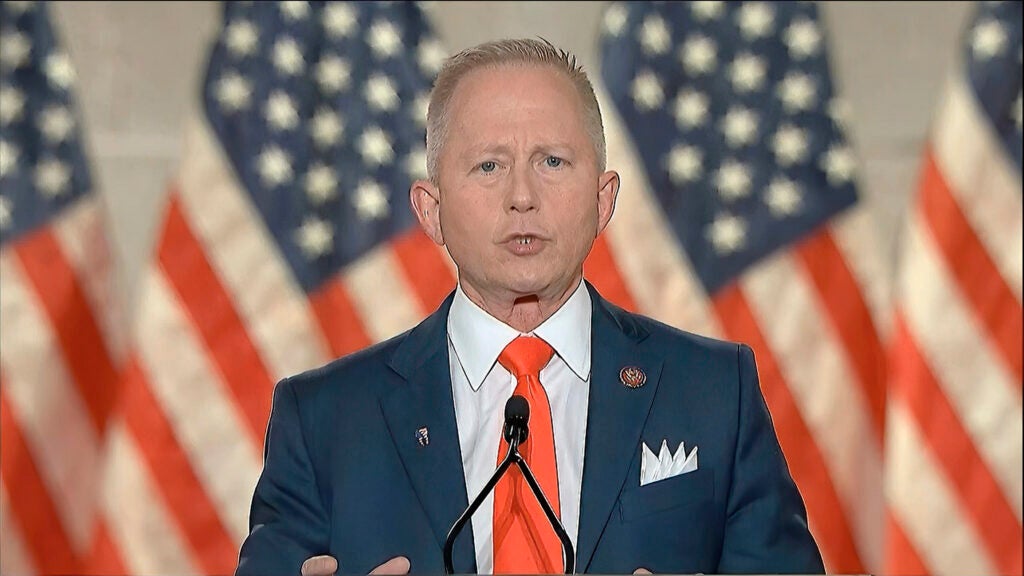
Van Drew has represented the district since 2019 and is seeking reelection as the Republican incumbent after leaving the Democratic Party in 2020.
A dentist from Cape May County, Van Drew previously served in the New Jersey Legislature before being elected to Congress. His campaign centers on affordability, energy and what he calls delivering results for South Jersey.
On the economy, Van Drew’s campaign has focused on lowering costs and expanding domestic energy production, arguing that increasing supply will help bring down prices for consumers. His platform calls for reducing federal regulation and promoting energy independence, emphasizing the need to “unleash American energy” to strengthen the economy. On immigration, Van Drew has made “securing our borders and enforcing our laws” a central issue.
In Congress, Van Drew has aligned with Republican leadership on several major votes. He opposed the Inflation Reduction Act, which included provisions to lower prescription drug costs and invest in clean energy, and he has supported expanding domestic energy production.
He has said that he has achieved several major wins for the region, including federal funding for coastal protection and beach replenishment projects, infrastructure investments tied to South Jersey roads and waterways, and veterans services and local military installations. He has pointed to efforts to address rising utility costs and to push back on offshore wind projects as part of his work on affordability and energy.
Campaign finance records show Van Drew receives significant support from political action committees, including corporate and industry PACs tied to energy, health care and financial sectors.
Related Content

Wonderland Pier redevelopment drives Ocean City, N.J. mayoral race
The property is no longer operating as an amusement park, and current zoning only allows for amusements and retail.
2 weeks ago
The Democratic challengers
Tim Alexander: Justice, accountability and economic equity
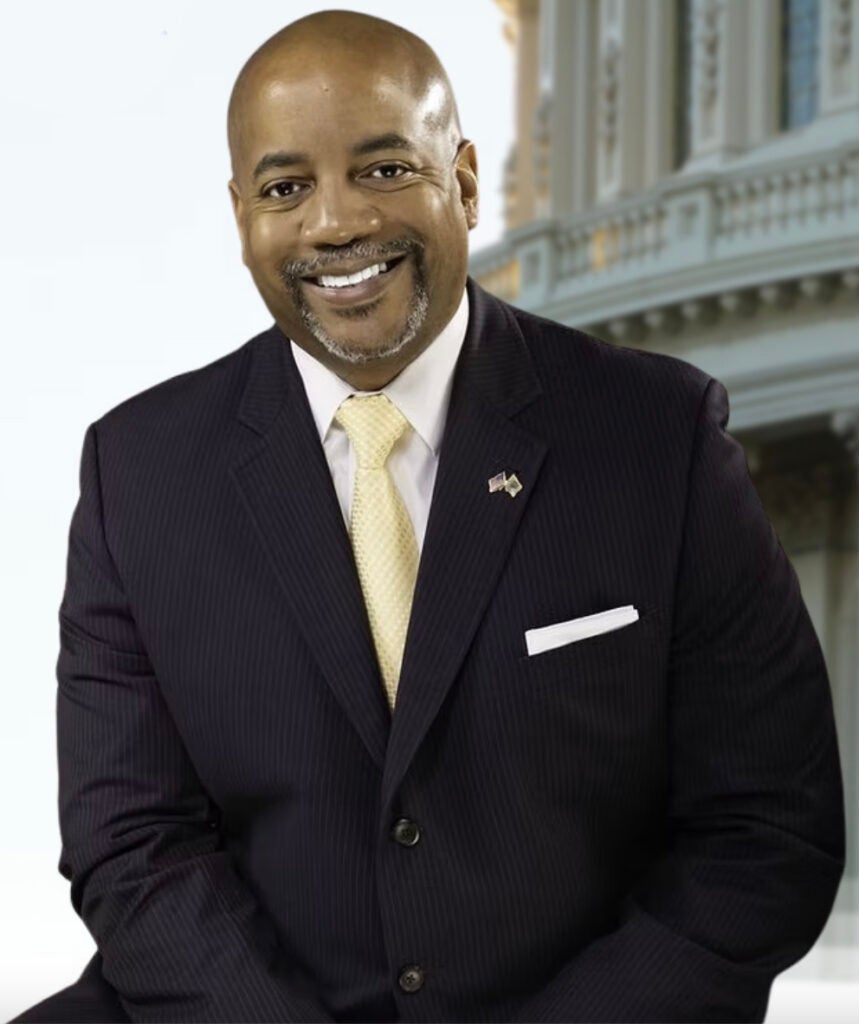
Galloway resident Tim Alexander is a civil rights attorney and former detective captain with the Atlantic County Prosecutor’s Office who is running on a platform centered on economic justice, government accountability and expanded access to opportunity, with a focus on what his campaign calls systemic reform.
Alexander, who has worked as a prosecutor in Philadelphia and South Jersey, frames his campaign as a fight to “build real power for everyday people.”
On the economy, Alexander is calling for policies that address inequality and expand opportunity, including investments in infrastructure and workforce development, as well as support for small businesses. He also says there’s a need to support fair trade practices and expand broadband access, particularly in underserved communities.
On health care, Alexander supports broader access and lower costs, framing care as a basic need for working families.
His campaign also focuses on criminal justice reform, calling for greater systemic accountability and policies aimed at reducing disparity.
On education, Alexander supports increasing access to resources and opportunities, including workforce training and pathways to employment.
Alexander, who has run twice for the same seat, has the support of Atlantic County Democratic Chairman Michael Suleiman.
Zack Mullock: Climate resilience and small-business growth
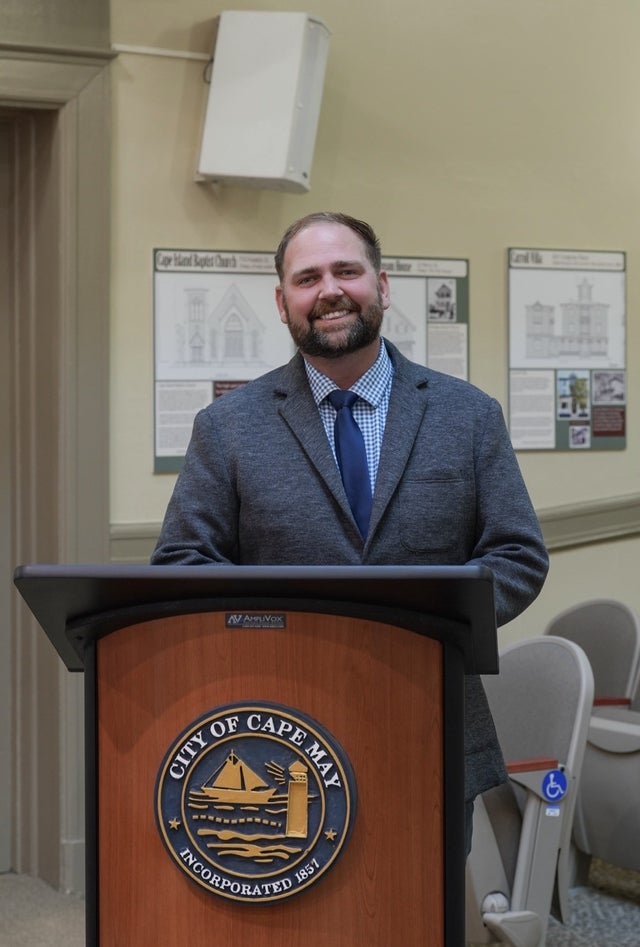
Zack Mullock, who has served as the mayor of Cape May since 2021, is running on his experience in local government.
A lifelong Cape May resident, Mullock has focused on managing a coastal community shaped by tourism, climate risk and economic seasonality. As mayor, he has overseen local budgeting, infrastructure decisions and coastal resilience efforts, giving him executive experience in addressing issues like flooding, housing and economic development.
On the economy, Mullock has emphasized supporting small businesses and lowering the cost of living, particularly in shore communities where housing and seasonal employment shape stability.
His platform highlights environmental protection and infrastructure, including coastal resilience efforts, flood mitigation and protecting shore communities from rising seas and stronger storms.
On health care, Mullock calls for improving access and affordability, while his broader message focuses on practical, community-based solutions shaped by local governance.
His campaign frames these priorities around responsive leadership, highlighting the need for solutions that reflect the realities of South Jersey communities.
Democrats Amy Kennedy and West Cape May Mayor Carol Sabo have endorsed Mullock.
Related Content

Election 2026: Key dates and deadlines to watch for Pa., Philly, N.J. and Del.
Voters will head to the polls to weigh in on races for U.S. Senate, governor, state legislatures and beyond.
3 weeks ago
Terri Reese: Economics shaped by lived experience

Lifelong Atlantic County resident Terri Reese is a caregiver whose campaign centers on working families and affordability.
Reese left her job in retail management to care for her mother after she was diagnosed with dementia. She frames her candidacy around those experiences, health care access and economic stability.
On the economy, Reese calls for a living wage, expanded child and earned income tax credits and stronger support for small businesses, stating the need to “put people over profits.”
Her platform stresses lowering everyday costs, including housing and utilities, and addressing the economic pressures facing working families.
On health care, Reese supports universal coverage, lowering prescription drug prices and expanding access to care, particularly through telehealth and protections for preexisting conditions.
She also highlights education, workforce development and environmental protection, including investment in renewable energy and coastal resilience.
On her website she says she is the only candidate to sign the Campaign Integrity Pledge.
Bayly Winder: Affordability, anti-corruption and public service
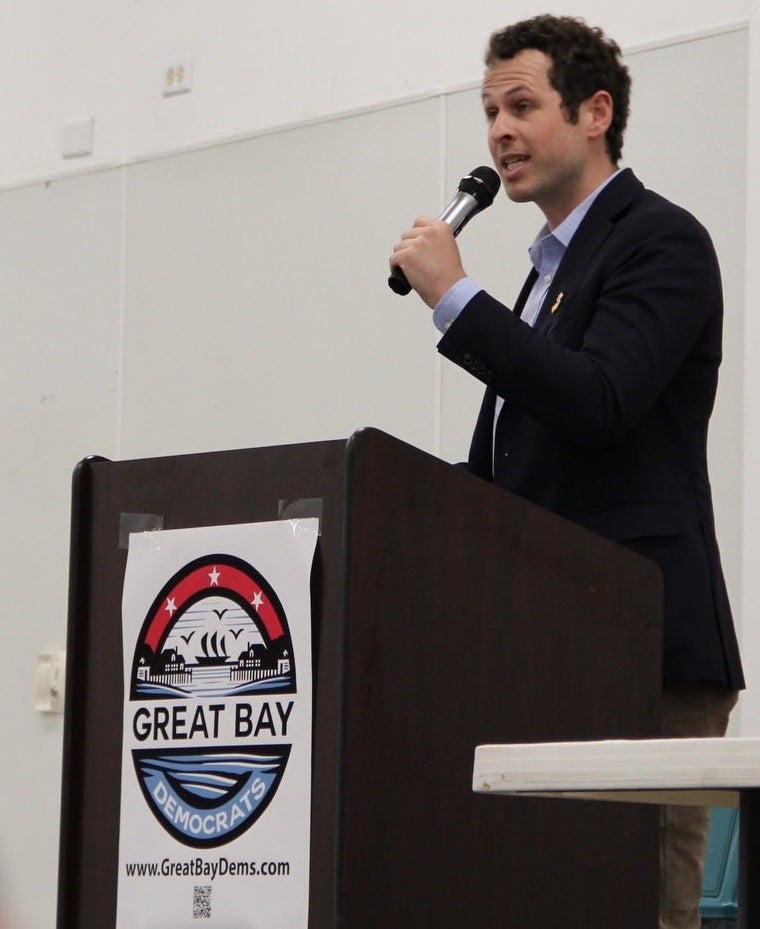
Bayly Winder is a national security and public service professional running on a platform that blends affordability, government reform and environmental protection.
A fourth-generation New Jerseyan, Winder has worked on Iranian policy at the U.S. State Department, advised the FBI on cybersecurity and national security, and served in the U.S. Agency for International Development. He now lives in South Jersey and frames his campaign around public service and accountability.
His platform centers on lowering costs for working families, including housing, utilities and groceries. His campaign states that “costs are too high and families are getting squeezed,” and he is calling for a crackdown on corporate practices that drive up prices.
On health care, Winder highlights affordability and access as core priorities. He supports protecting and expanding Social Security, Medicare and Medicaid. He is proposing adding dental, vision and hearing coverage to Medicare.
Winder has made ethics reform a central issue, calling for banning stock trading by members of Congress, strengthening disclosure laws and reducing the influence of money in politics. His campaign states that the government should be “accountable, transparent and working for the people.”
On environmental issues, his platform includes protecting the Pinelands, investing in resilient infrastructure and ensuring local communities have a voice in major development projects. He has also highlighted concerns about large-scale projects, including data centers.
“I’m calling for a national moratorium on data center development until we have real safeguards in place,” he said.
His campaign also emphasizes national security and public safety, drawing on his federal experience, while linking those priorities to economic stability and community resilience.
Related Content

A railroad passengers group says the executive order does not get to the root of the problems causing delays and cancellations.
7 days ago
Listen 1:14Points of alignment and division
The four Democratic candidates share common ground on affordability and health care, but they differ in how they approach solutions.
Reese and Winder offer the most detailed policy proposals, particularly on health care, cost of living and ethics reform. Alexander focuses on systemic reform and civil rights, while Mullock highlights executive experience and local governance.
The contrast becomes sharper when compared with Van Drew.
While the Democratic candidates largely support expanding health care access, lowering costs through government action and limiting corporate influence, Van Drew is campaigning on energy production, deregulation and border security, alongside his record in Congress.
The war chest
Democrats are eyeing New Jersey’s 2nd Congressional District as a potential gain, but Van Drew enters the cycle with a significant financial advantage.
According to the Federal Election Commission, Van Drew raised $233,641 in the fourth quarter of 2025 and reported $1.18 million cash on hand. Among Democratic candidates, Winder has emerged as the strongest fundraiser so far. He brought in $141,065 in the fourth quarter, consistent with his previous fundraising pace, and closed the year with $231,462 on hand.
The rest of the field trails significantly.
Alexander reported $20,151 raised during the same period and had $7,800 remaining. Reese reported $6,275 in fourth-quarter contributions, while Finn has not yet filed a fundraising report.
The financial gap underscores the uphill climb Democrats face in turning the South Jersey district.
___
New Jersey voter deadlines: Early in-person voting runs from May 28 through June 1. Vote-by-mail applications must be received by May 26. Applications to vote in person are available through 3 p.m. on June 2.

Never miss a moment with the WHYY Listen App!


WHYY is your source for fact-based, in-depth journalism and information. As a nonprofit organization, we rely on financial support from readers like you. Please give today.
Part of the series

The race was seen as a bellwether for the upcoming midterm elections, which will determine which party controls Congress.
6 hours ago
Rep. Chris Rabb leads Pennsylvania primary fundraising, but Stanford holds cash edge
State Rep. Chris Rabb nearly doubled his rivals in first-quarter fundraising, but Dr. Ala Stanford enters April with the most cash on hand.
7 hours ago
Democrat Analilia Mejia and Republican Joe Hathaway compete for suburban New Jersey House seat
The 11th District was long a Republican stronghold but has become increasingly Democratic since Trump’s first term.
14 hours ago